

How Long Tattoo Removal Really Takes
As someone who has spent years sharing real-life experiences, beauty routines and everything in between, I know how emotional the decision around tattoo removal can be. It’s not just a physical process. It comes with a story. Sometimes it’s a change in style, sometimes it’s a new chapter in life, and sometimes it’s simply the feeling of wanting your skin to feel like you again.
The one thing most people don’t realise is that tattoo removal isn’t a quick in-and-out appointment. It’s a gradual journey that happens over months, not days. And because there’s so much mixed information online, it can feel confusing before you even book a consultation.
This guide breaks everything down calmly and clearly, so you know exactly what to expect. The timeline, the sessions, the healing, the factors that affect results, and the steps you can take to support the process. Think of this as your soft, realistic starting point before you commit.

Are you considering getting a tattoo removed, but not sure how long the process will take? You’re not alone. Many people who get tattoos eventually decide they want them removed for various reasons. Whether it’s because of a change in personal style, a new job that doesn’t allow visible tattoos, or simply because you no longer like the design, tattoo removal is a common procedure.
However, the process of tattoo removal is not as simple as getting the tattoo in the first place. It requires multiple sessions and can take several months or even years to complete, depending on various factors. In this article, we’ll explore how long tattoo removal really takes and what you can expect from the process.
Factors That Affect Tattoo Removal Time
The length of time it takes to remove a tattoo depends on several factors, including:
1. The size of the tattoo
2. The location of the tattoo on your body
3. The colors used in the tattoo
4. The age of the tattoo
5. Your skin type and overall health
Generally, larger tattoos with multiple colors will take longer to remove than smaller, single-color tattoos. Tattoos on areas with more blood flow, such as the chest or back, may also take longer to remove than those on areas with less blood flow, like the fingers or toes.
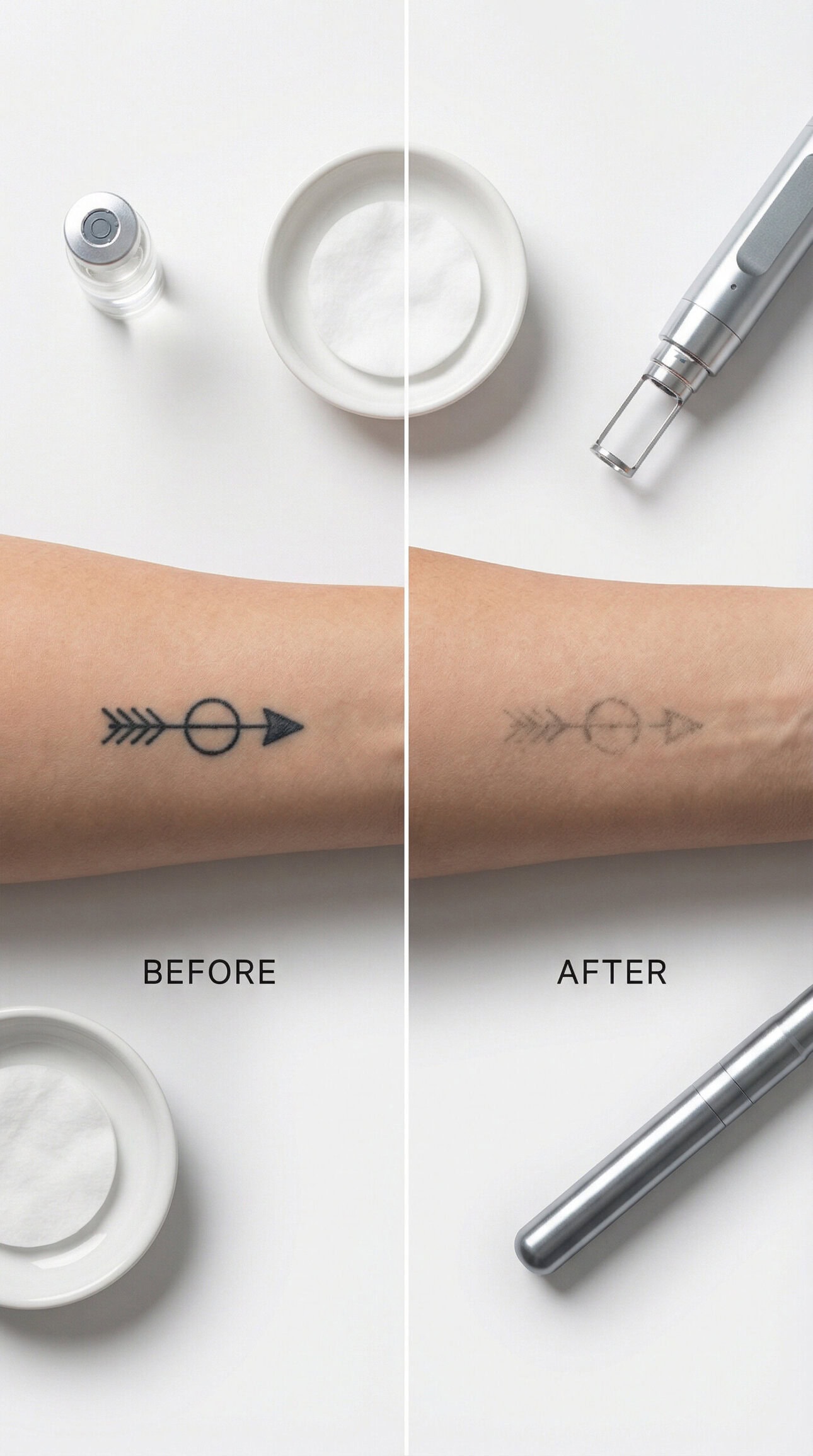
The Tattoo Removal Process
Tattoo removal is typically done using a laser that breaks up the ink particles in your skin. The laser targets the tattoo ink and shatters it into tiny fragments, which are then absorbed and eliminated by your body’s immune system.
The process usually involves multiple sessions spaced several weeks apart to allow your skin time to heal between treatments. The number of sessions required will depend on the factors mentioned above, but most people need between 6-12 sessions to fully remove a tattoo.
How Long Each Session Takes
Each tattoo removal session typically takes between 15-60 minutes, depending on the size of the tattoo. Larger tattoos may require longer sessions or multiple sessions in one day with breaks in between.
During the session, you’ll wear protective eye shields and your skin will be cooled to minimize discomfort. Most people describe the sensation as similar to a rubber band snapping against their skin.
Recovery Time Between Sessions
After each tattoo removal session, your skin will need time to heal before the next treatment. This usually takes between 4-8 weeks, depending on how quickly your body recovers.
During this time, it’s important to take good care of the treated area by keeping it clean, moisturized, and protected from the sun. Your tattoo removal specialist will provide you with specific aftercare instructions to ensure proper healing.

How to Speed Up the Process
While there’s no way to make tattoo removal happen overnight, there are a few things you can do to speed up the process:
- Choose a reputable provider: Look for a clinic that specializes in professional laser tattoo removal Sydney and has experienced technicians using the latest technology.
- Follow aftercare instructions: Proper care of the treated area can help speed up healing and reduce the risk of complications.
- Maintain a healthy lifestyle: Eating a balanced diet, staying hydrated, and getting enough sleep can all support your body’s natural healing process.
- Be patient: Tattoo removal is a gradual process, and rushing it can lead to complications or unsatisfactory results.

Before You Go
Tattoo removal is a highly individualized process that can take anywhere from several months to a year or more, depending on various factors. By choosing a reputable provider, following aftercare instructions, and maintaining a healthy lifestyle, you can help ensure the best possible results in the shortest amount of time.
Remember, patience is key when it comes to tattoo removal. While it may take longer than you’d like, the end result of having your unwanted tattoo completely removed will be well worth the wait.
With love, gratitude & soft girl CEO vibes.