
Slim Aarons Prints in Modern Contemporary Interiors
When you work on elevating your home without overwhelming it, few art pieces transform a space quite like Slim Aarons prints. As someone who spends a lot of time studying modern interior styling and how visual choices shape atmosphere, I’ve seen how these photographs instantly shift a room from “decorated” to curated. Aarons captured leisure culture in its truest form—real places, real homes, real design moments—and that authenticity is exactly why designers still call on his work today.
From poolside architecture in Palm Springs to snowy chalets in Verbier, Slim Aarons prints bring story, colour, and texture into a room. More importantly, they blend beautifully with the materials that define contemporary living—linen sofas, marble surfaces, boucle, oak, brass, muted neutrals, and layered lighting. If you’re choosing art for your home and you want something that feels timeless, iconic, and meaningful, Slim Aarons is an investment that delivers visual depth and emotional nostalgia.

Slim Aarons built his reputation photographing what he called “attractive people doing attractive things in attractive places.” His images from the 1950s through the 1980s captured the leisure class at play—poolside in Palm Springs, skiing in St. Moritz, yachting off the Italian coast. Unlike fashion photography or celebrity portraiture, Aarons’s work documented a lifestyle with an anthropologist’s eye, creating a visual archive of postwar affluence that feels both aspirational and strangely accessible.
Today, his photographs have found new life in contemporary homes. Designers and homeowners are drawn to the way these images bridge eras—their mid-century composition and color palettes complement modern interiors while adding narrative depth that purely decorative art often lacks. A well-chosen Aarons print doesn’t just fill wall space; it introduces a sense of history and sophistication that anchors a room.
What Makes Aarons’s Photography Distinctive
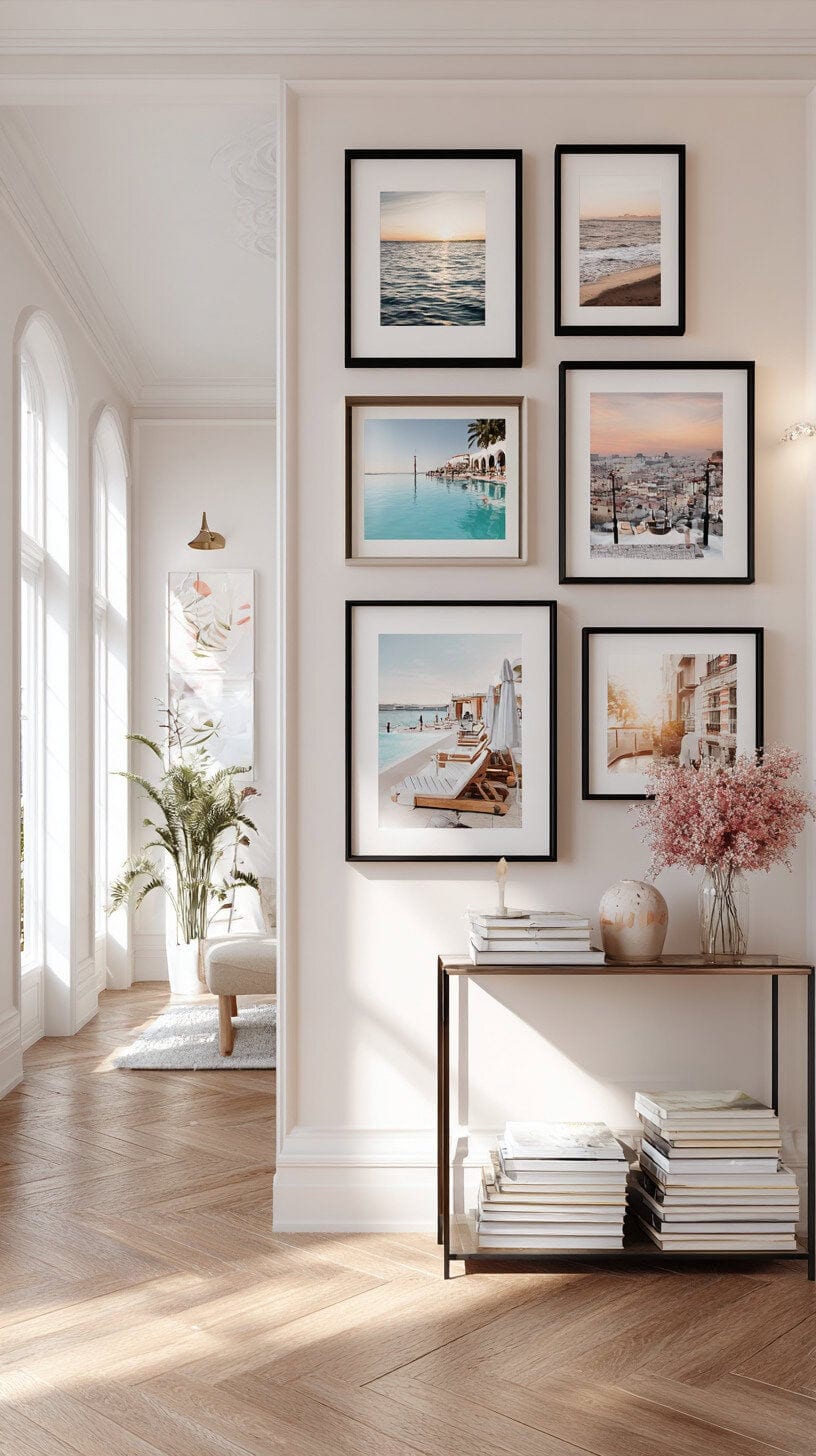
Aarons worked almost exclusively in natural light, which gave his images a warmth and authenticity that studio photography couldn’t replicate. His subjects—socialites, aristocrats, Hollywood figures—were photographed in their own environments: estates, resorts, private clubs. The result was a body of work that felt candid despite being carefully composed.
His most iconic images, like “Poolside Gossip” showing women lounging at the Kaufmann Desert House, have become cultural touchstones.
The photographs also serve as historical documents. They capture architectural landmarks, fashion evolution, and social dynamics of the postwar decades. Many of the estates and hotels Aarons photographed have since been demolished or dramatically altered, making his images valuable records of mid-century design.
Selecting Prints That Work in Modern Spaces
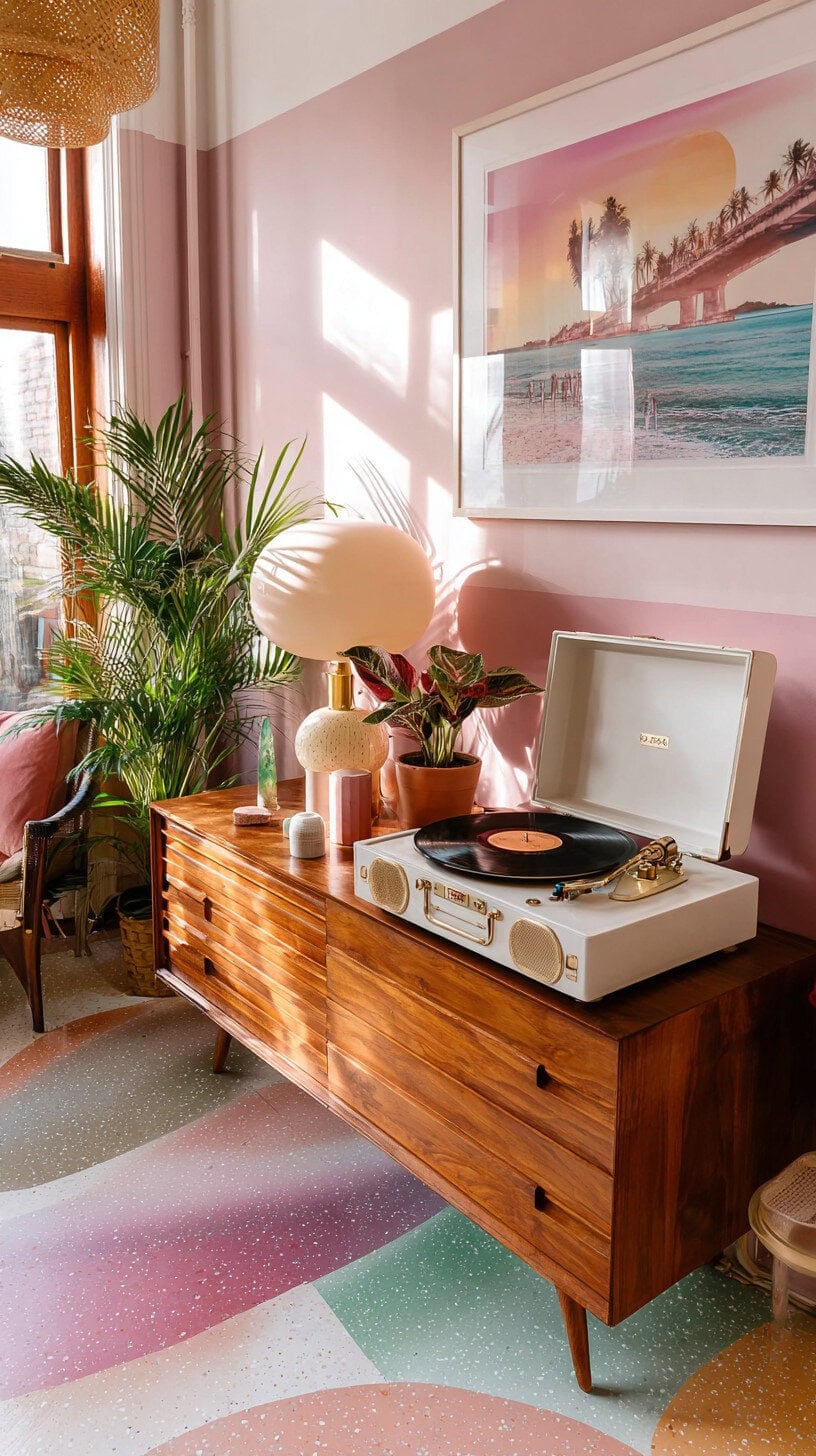
Choosing the right Aarons print requires considering both the image itself and how it will function in your space. Here’s what to evaluate:
- Color Temperature: Aarons’s work spans warm desert tones to cool alpine blues. Match the print’s palette to your room’s existing colors or use it as a deliberate contrast point.
- Compositional Density: Some images are busy with multiple figures and architectural elements; others are spare and geometric. Dense compositions work well in minimalist rooms where they provide visual interest, while simpler images suit already-decorated spaces.
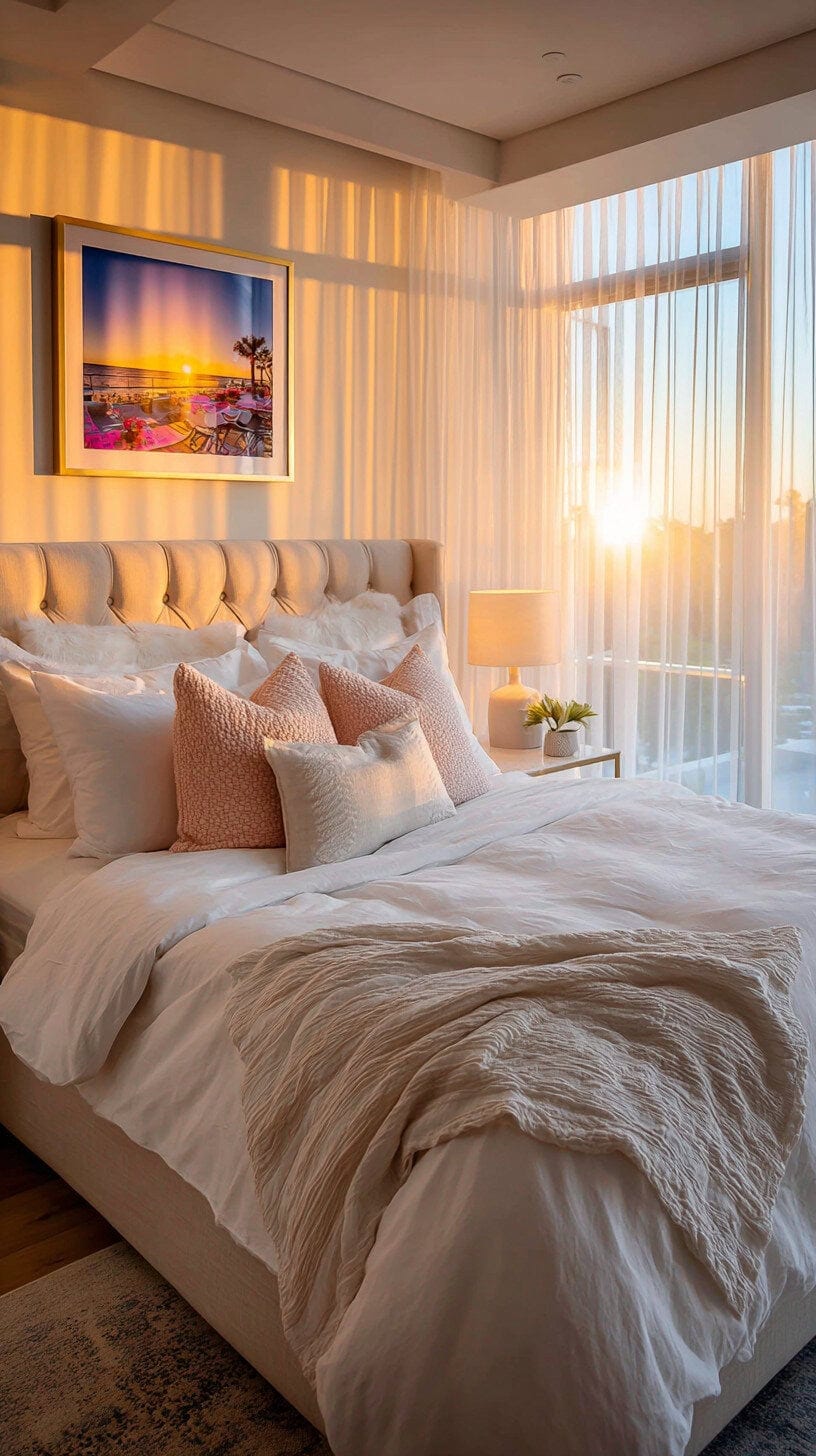
- Scale Considerations: Large-format prints (40×60 inches or larger) can anchor a room and serve as a focal point above a sofa or bed. Smaller prints work better in galleries or intimate spaces like studies.
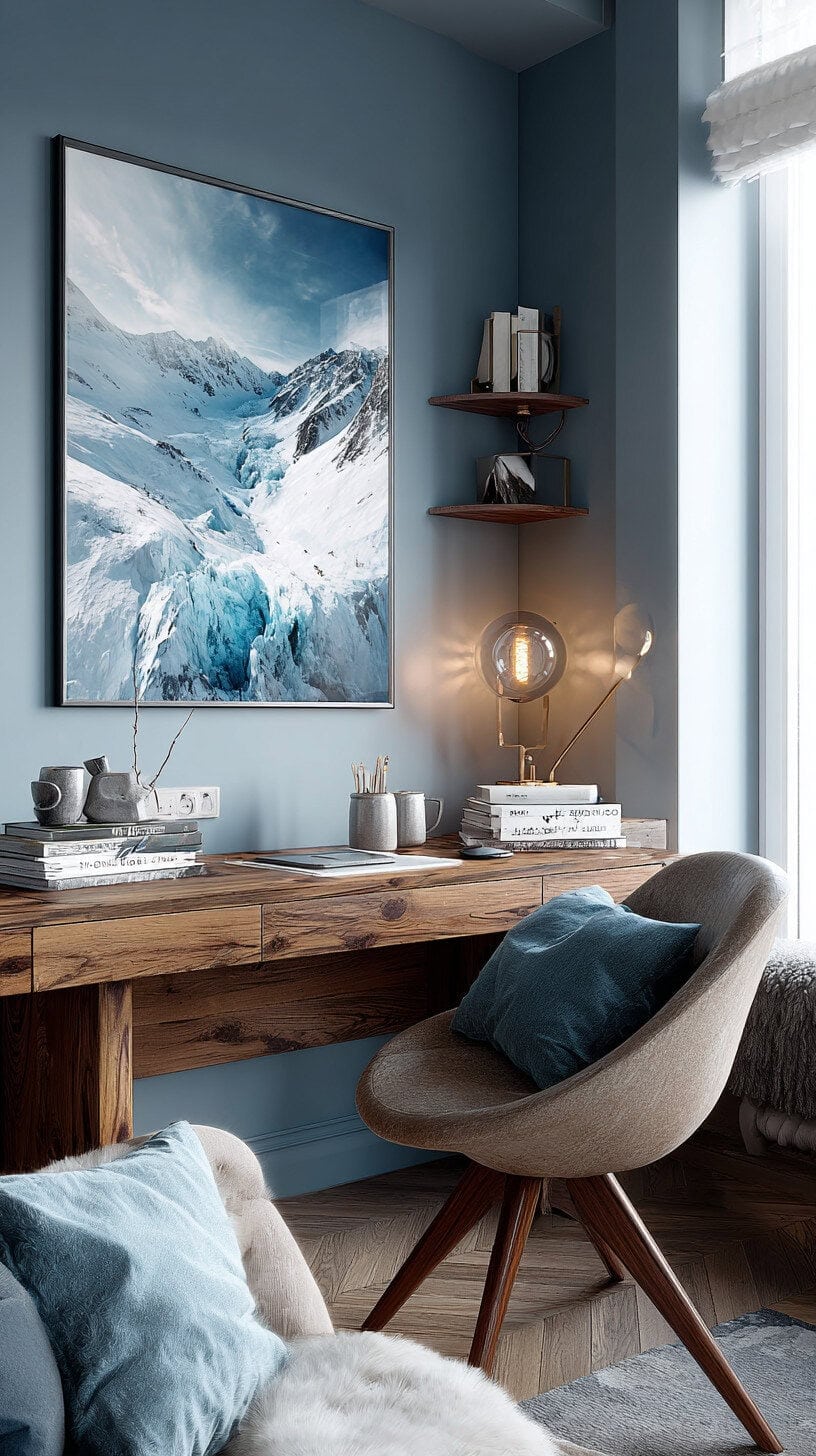
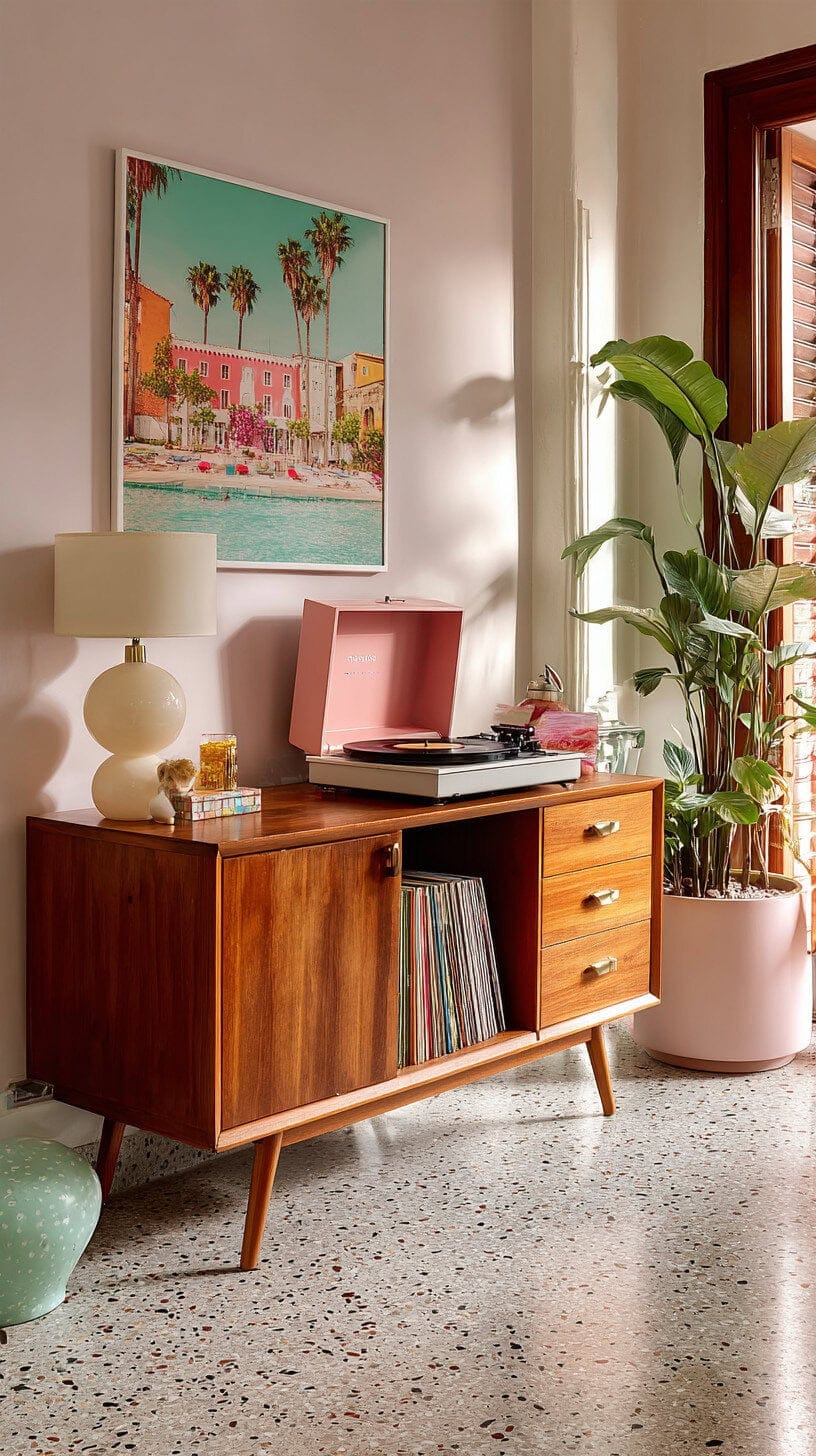
- Subject Matter: Consider the mood. Pool scenes and beach settings create relaxed, resort-like atmospheres. Ski and mountain images bring energy and drama. Social gatherings add warmth and conviviality.
For those building a collection, curated selections of Slim Aarons prints offer a starting point, with images chosen specifically for their versatility in contemporary interiors.
The Case for Vintage Prints
Original vintage prints from Aarons’s lifetime carry a premium, but they offer qualities that reproductions can’t match. The paper stock, printing techniques, and even the aging process contribute to their character. Vintage prints typically used traditional photographic processes—chromogenic or dye-transfer printing—that produced richer colors and finer tonal gradations than many modern reproductions.
For collectors, provenance matters. Prints with gallery stamps, edition numbers, or documentation of exhibition history command higher prices but offer greater authenticity assurance. Even for those not concerned with investment value, vintage prints bring a tangible connection to the era they depict—the physical object itself becomes part of the historical narrative.
Framing Strategies That Enhance Rather Than Distract
The frame should support the image without competing with it. Aarons’s work generally benefits from understated framing that lets the photograph dominate. Consider these approaches:
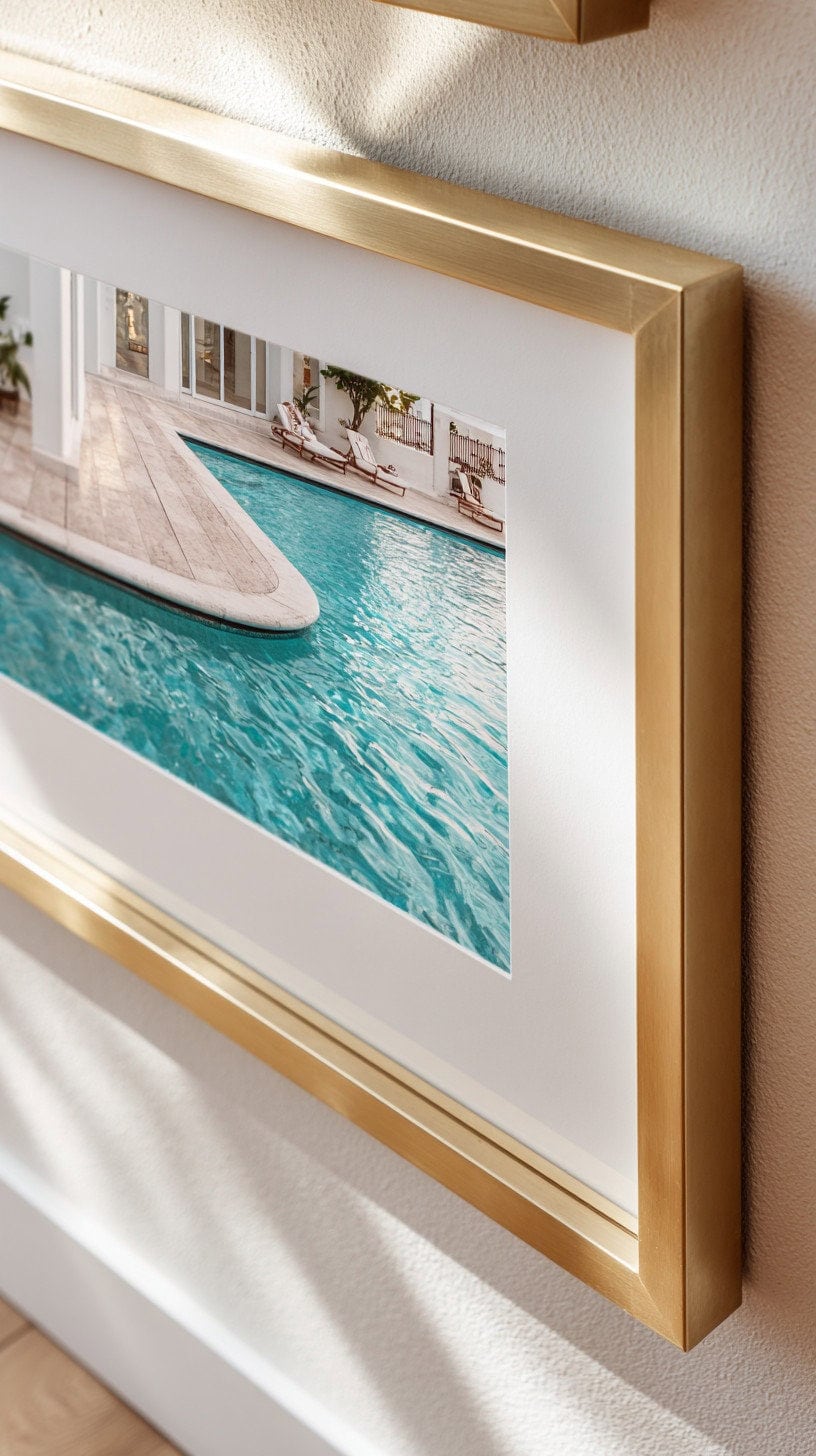
- Thin Metal Frames: Brushed aluminum or brass frames in narrow profiles (½ to 1 inch) provide definition without bulk. They work particularly well with architectural images or geometric compositions.
- Natural Wood: Light oak or walnut frames complement the warm tones in many Aarons prints while adding organic texture that balances the glossy finish of photographic paper.
- Museum-Style Matting: Wide white or cream mats (3-4 inches) create breathing room around the image and lend gallery credibility. This approach works best with smaller prints.
- Acrylic Glazing: Museum-grade acrylic with UV filtering protects against fading while reducing glare compared to glass. It’s lighter and safer for large-format prints.
Avoid ornate or distressed frames—they clash with the clean, modernist aesthetic of Aaron’s photography. The goal is to create a window into the image, not to decorate around it.
Preservation and Display Considerations
Photographic prints are vulnerable to environmental damage. Light exposure, humidity, and temperature fluctuations all accelerate deterioration. To preserve your prints:
- Control Light Exposure: Never hang prints in direct sunlight. Even indirect natural light causes gradual fading. Use UV-filtering glazing and consider LED lighting with minimal UV output for artificial illumination.
- Maintain Stable Conditions: Ideal storage and display conditions are 65-70°F with 30-40% relative humidity. Avoid hanging prints near heating vents, fireplaces, or in bathrooms where humidity fluctuates.
- Use Archival Materials: Acid-free mats, backing boards, and mounting materials prevent chemical degradation. Cheap framing materials can cause yellowing and brittleness over time.
- Handle Properly: Always handle prints by the edges, preferably with cotton gloves. Fingerprints contain oils that can permanently damage photographic emulsions.
- Rotate Displays: If you have multiple prints, rotating them seasonally reduces cumulative light exposure and keeps your space feeling fresh.
For valuable vintage prints, consider professional conservation framing. The upfront cost is higher, but proper framing can preserve a print for generations.
Why These Images Resonate Now
Aarons’s photography has experienced a renaissance in recent years, and the timing isn’t coincidental. In an age of curated social media and aspirational lifestyle content, his work feels like an analog precursor to Instagram—but with more substance and less self-consciousness.
The images offer escapism without excess. They depict wealth, certainly, but wealth expressed through leisure, beauty, and social connection rather than conspicuous consumption. There’s a human scale to the luxury—these are people enjoying themselves, not flaunting possessions.
For interior design, Aarons prints solve a common problem: how to add personality and sophistication without resorting to generic abstract art or obvious decorative pieces. They provide conversation starters, historical interest, and genuine aesthetic appeal. A print like “Poolside Gossip” or “Verbier Vacation” brings more to a room than visual interest—it brings narrative, context, and a sense of place.
The mid-century aesthetic that dominates Aarons’s work also aligns with current design trends. Clean lines, organic materials, and indoor-outdoor living—all prominent in his photographs—remain influential in contemporary architecture and interior design. His images feel simultaneously retro and current, which is precisely what makes them so versatile.
Before You Go
Slim Aarons prints are more than pretty pictures – they are little windows into another era that still fit beautifully into modern life. Whether you choose a single oversized poolside scene or a small gallery of ski holidays and seaside escapes, the right piece can completely change the mood of a room. Take your time, choose a print you genuinely love, and style it well – it will earn its place on your walls for years.
With love, gratitude & soft girl CEO vibes.